Understanding Skin Ageing: Collagen, Hormones and Skin Rejuvenation
By Dr Hazel Parkinson, MBChB, BMedSci, PGDipDerm, MRCGP, DCH, DRCOG, DFSRH
Dr Hazel Skin Solutions | CQC Registered | Multi-Award-Winning Doctor | Menopause Specialist Doctor of the Year 2025
Skin ageing is a natural process, but why do some people begin to notice fine lines, changes in skin texture and a loss of firmness earlier than others? And what can you realistically do to support your skin as it changes?
Although ageing cannot be stopped, understanding the biological processes behind it can help you make informed decisions about skincare, lifestyle and aesthetic treatments.
Collagen loss, hormonal changes, environmental exposure and genetics all influence how the skin looks and behaves over time. Modern aesthetic medicine offers several approaches to addressing visible signs of ageing, but not every treatment works in the same way, and not every option is suitable for everyone.
At Dr Hazel Skin Solutions, the focus is on understanding your individual concerns and exploring appropriate options based on your skin, medical history and expectations.
In this guide, Dr Hazel Parkinson explains what happens to the skin as we age, how collagen and hormones influence skin quality, and what to consider when exploring skin rejuvenation treatments.
What Actually Happens to Your Skin as You Age?
Your skin is a living, dynamic organ that continually renews and repairs itself. As the years pass, however, the processes responsible for maintaining its structure and resilience gradually change.
Several factors contribute to visible skin ageing.
Reduced collagen production
Collagen provides structural support within the skin. As collagen production declines and existing fibres become altered, the skin may gradually lose some of its firmness and resilience.
Changes in elastin
Elastin helps the skin return to its original shape after stretching. Changes to elastin fibres can contribute to reduced elasticity and a less firm appearance.
Slower skin renewal
The rate at which skin cells renew can change with age. This may affect skin texture, surface smoothness and the appearance of the complexion.
Changes in hydration and the skin barrier
The skin’s ability to retain moisture can be affected by age, environmental exposure and changes in its natural barrier. This may make the skin feel drier or cause fine lines to appear more noticeable.
Changes in facial structure
Visible ageing is not limited to the skin itself. Changes in underlying fat compartments, bone structure and soft tissue can also influence facial contours and the development of folds.
These processes occur at different rates in different people. Genetics, sun exposure, smoking, general health and hormonal changes can all influence the way ageing becomes visible.
Understanding these differences is important because a treatment designed to improve hydration will not necessarily address a loss of facial volume, just as a treatment targeting wrinkles will not automatically improve pigmentation.
Collagen: Why Is It So Important for Healthy-Looking Skin?
Collagen is one of the main structural proteins in the skin. It helps form the framework that supports the skin’s strength and firmness.
During younger adulthood, collagen production and breakdown exist in a changing balance. With increasing age, this balance gradually shifts, and the skin may become less firm.
Repeated exposure to ultraviolet (UV) radiation can accelerate collagen damage. This is one reason why areas frequently exposed to sunlight, such as the face, neck and hands, may show signs of ageing earlier than areas that are usually covered.
Smoking and other environmental factors can also contribute to skin damage.
You may notice the effects of collagen changes through:
- Fine lines and wrinkles becoming more apparent.
- Reduced firmness around the cheeks and jawline.
- Changes in skin texture.
- Skin that appears thinner or less resilient.
- A gradual change in the overall appearance of the face.
It is important to distinguish between treatments that improve the appearance of the skin and those that aim to influence the processes associated with collagen production.
Some aesthetic treatments are designed to stimulate a tissue response, while others primarily address hydration, muscle activity or volume. Their mechanisms, evidence and outcomes differ.
No treatment can completely restore the skin to its former state, but an appropriate treatment plan may help address selected signs of ageing.
How Do Menopause and Hormonal Changes Affect the Skin?
Hormones play an important role in maintaining skin structure and function. For many women, perimenopause and menopause bring noticeable changes to their skin.
Oestrogen is involved in maintaining skin hydration, collagen content and elasticity. As oestrogen levels decline, changes in the skin may become more apparent.
Some women notice:
- Increased dryness or a feeling of tightness.
- Reduced skin firmness.
- More noticeable fine lines.
- Changes in skin texture.
- Skin that feels more sensitive than before.
These changes vary between individuals and may occur alongside other symptoms associated with the menopausal transition.
It is worth remembering that not every skin change is caused by hormones. Sun exposure, genetics, medication, underlying skin conditions and other health factors may also contribute.
A suitable skincare routine can help support the skin barrier, while daily sun protection remains important for reducing further UV-related damage.
Where concerns persist, a medical consultation can help identify possible contributing factors and establish whether skincare adjustments, medical assessment or an aesthetic treatment may be appropriate.
Can You Prevent Collagen Loss?
You cannot prevent the natural ageing process entirely, but you can take practical steps to support your skin and reduce some avoidable sources of damage.
Protect your skin from UV radiation
UV exposure is a major contributor to premature skin ageing. Use a broad-spectrum sunscreen with at least SPF 30, following the product instructions and reapplying as appropriate.
Protective clothing, shade and avoiding excessive sun exposure can also help reduce cumulative damage.
Consider evidence-based skincare
Certain topical ingredients may help address specific signs of ageing.
For example, retinoids can help improve the appearance of fine lines and skin texture in appropriate individuals. Moisturisers containing ingredients such as glycerin or ceramides can help maintain hydration and support the skin barrier.
Not every ingredient is suitable for every skin type. Retinoids can cause irritation and require particular caution during pregnancy or when planning pregnancy.
Avoid smoking
Smoking is associated with premature skin ageing and can contribute to changes in skin texture and elasticity. Avoiding smoking supports both general health and skin health.
Maintain a balanced lifestyle
Adequate sleep, a balanced diet and regular physical activity contribute to overall health, which is relevant to maintaining healthy skin.
These measures are not substitutes for medical treatment where needed, but they provide a useful foundation for any long-term approach to skin health.
Which Aesthetic Treatments Can Help Improve Skin Quality?
Aesthetic treatments are not all designed to achieve the same result. Some focus on hydration, others on texture, wrinkles, collagen remodelling or facial volume.
Understanding these differences helps you have a more informed discussion with your practitioner.
The following options are available within the wider field of aesthetic medicine. Suitability depends on the individual, and the expected benefits and risks should be discussed before proceeding.
- ** Microneedling: Addressing Skin Texture**
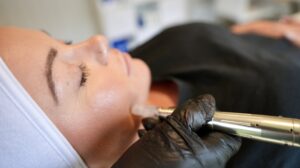
Microneedling uses fine needles to create controlled micro-injuries in the skin, triggering a wound-healing response.
It is used in aesthetic practice to address selected concerns relating to skin texture and the appearance of certain types of scarring and fine lines.
The treatment creates a controlled response rather than simply adding moisture to the skin. Depending on the technique and individual circumstances, a course of treatments may be recommended.
Potential side effects include temporary redness, swelling, discomfort and irritation. Infection, pigmentation changes and scarring are possible complications, particularly when treatment is unsuitable or performed incorrectly.
A consultation should establish whether microneedling is appropriate for your skin and what outcomes are realistic.
- ** Morpheus8: Radiofrequency Microneedling**
Morpheus8 combines microneedling with radiofrequency energy. The treatment is designed to deliver energy into selected skin tissues, producing a controlled thermal response.
It is used in aesthetic practice to address concerns such as skin texture, firmness and the appearance of certain wrinkles.
Unlike treatments that focus primarily on hydration, radiofrequency microneedling aims to produce changes through controlled tissue heating and the body’s healing response.
The procedure is not suitable for everyone. Potential risks include pain, swelling, burns, pigmentation changes, scarring and, in some circumstances, unwanted changes to underlying fat.
Careful patient selection, appropriate settings and an experienced practitioner are particularly important.
Your consultation should cover the expected benefits, alternative treatments, recovery time and potential complications.
- ** Profhilo®: Supporting Skin Hydration and Quality**
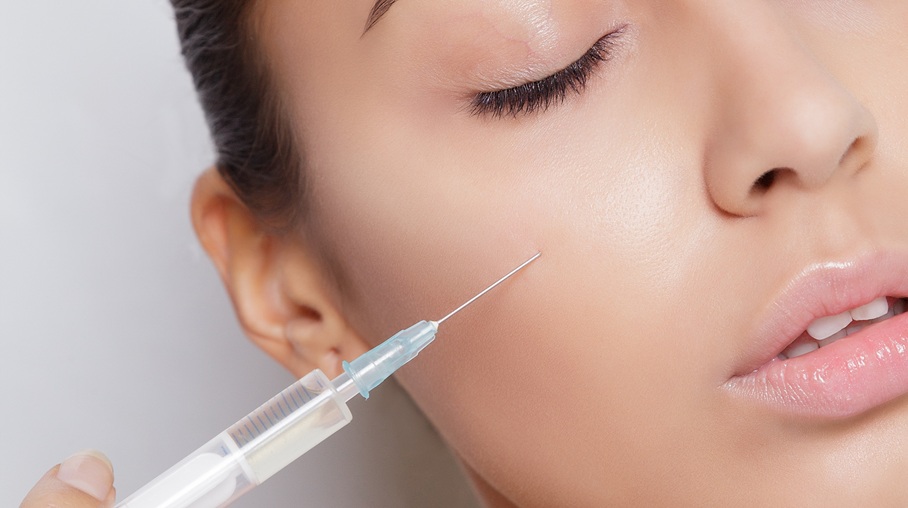
Profhilo® is an injectable hyaluronic acid treatment used to improve aspects of skin hydration and quality.
Hyaluronic acid naturally occurs in the body and helps retain water. In aesthetic practice, Profhilo® is used with the aim of improving the appearance of skin that may look dehydrated or less elastic.
It differs from conventional dermal fillers, which are generally used to add volume or alter facial contours.
Profhilo® may be considered for suitable patients whose concerns relate to skin quality rather than substantial volume loss. However, outcomes vary, and it should not be presented as a guaranteed way to restore collagen or reverse ageing.
As with other injectable procedures, potential risks include bruising, swelling, infection and other injection-related complications.
- ** Polynucleotides: An Emerging Approach to Skin Rejuvenation**
Polynucleotide treatments have attracted growing interest in aesthetic medicine.
These injectable products contain polynucleotides and are used with the aim of improving selected aspects of skin quality. Research is examining their potential biological effects, although the strength of evidence varies according to the product, treatment area and outcome.
They should not be described as a guaranteed solution for collagen loss or skin ageing.
As with any relatively evolving treatment area, it is important to understand what the available evidence supports, what remains uncertain and which risks may apply.
A practitioner should explain the product being used, its intended purpose, potential side effects and available alternatives.
- ** Sculptra® and Radiesse®: Different Approaches to Facial Ageing**
For some people, visible ageing involves more than changes to the surface of the skin. Changes in facial volume and structural support may also contribute to the overall appearance of the face.
Sculptra® and Radiesse® are injectable products used in aesthetic medicine for selected indications, but they have different compositions and treatment characteristics.
Sculptra® contains poly-L-lactic acid and is used to stimulate a gradual tissue response associated with collagen production.
Radiesse® contains calcium hydroxylapatite microspheres in a gel carrier. Depending on the indication and treatment technique, it can provide immediate structural support and may also stimulate collagen-related tissue responses.
These treatments are not interchangeable, and neither is suitable for every patient. Their use requires careful consideration of facial anatomy, medical history, treatment goals and potential complications.
They should only be considered following an appropriate assessment by a suitably qualified practitioner.
Why Is a Personalised Treatment Plan Important?
It can be tempting to choose a treatment after seeing impressive before-and-after photographs or recommendations on social media. However, a treatment that works well for one person may not be appropriate for someone else.
For example, a person concerned primarily about dehydration may benefit from a different approach from someone experiencing significant volume loss or changes in skin texture.
A consultation should consider:
- Your main skin concerns and what you would like to improve.
- Your medical history and current medication.
- Your skin type and any relevant skin conditions.
- Previous aesthetic treatments and their outcomes.
- The benefits, limitations and risks of available options.
- Whether a non-invasive approach or no treatment may be more appropriate.
It is also important to understand that a combination of treatments is not automatically better than a single treatment. A carefully considered plan should have a clear purpose, with sufficient time for the skin to recover and for results to be assessed.
The aim should be to make an informed decision based on your needs, rather than pursuing every available procedure.
Why Choose Dr Hazel Skin Solutions?
Choosing an aesthetic practitioner involves more than finding a treatment that promises a particular result. Medical knowledge, appropriate assessment and a clear understanding of potential risks are important parts of safe aesthetic care.
Dr Hazel Parkinson holds the qualifications MBChB, BMedSci, PGDipDerm, MRCGP, DCH, DRCOG and DFSRH. Dr Hazel Skin Solutions is CQC registered, and Dr Hazel has been recognised as Menopause Specialist Doctor of the Year 2025.
A doctor-led approach can help ensure that your concerns are considered in the context of your medical history and overall health.
Whether you are interested in improving skin texture, addressing visible wrinkles or exploring options for changes associated with ageing, the starting point should be a discussion about your individual circumstances and expectations.
A consultation should provide clear information about proposed treatments, potential complications, aftercare and alternatives so that you can make an informed choice.
Taking a Thoughtful Approach to Skin Ageing
Skin ageing is a complex process influenced by collagen, elastin, hormonal changes, environmental exposure and the natural changes that occur throughout life.
Although no treatment can stop ageing, there are practical ways to support skin health and address selected concerns. Daily sun protection, appropriate skincare and healthy habits provide an important foundation.
For those considering aesthetic treatments, understanding the difference between hydration-focused injectables, collagen-stimulating approaches and treatments aimed at skin texture or facial volume can help guide a more informed decision.
At Dr Hazel Skin Solutions, the aim is to consider your skin concerns individually and explore appropriate options based on your needs, with realistic expectations about what treatment can achieve.
Would you like to explore options for your skin concerns?
Contact Dr Hazel Skin Solutions to arrange a consultation and discuss an approach tailored to your skin and your goals.