

Clinical Dermatology
Skin conditions assessed and treated by a doctor with a postgraduate qualification in dermatology.
Dr Hazel Parkinson | PGDipDerm, Queen Mary University of London
Warwickshire clinic | Patients from age 5
Now offering Map My Mole, specialist dermatologist review of mole images
Not cosmetic. Clinical.
There is a difference between wanting your skin to look better and having something wrong with it, and the two often get muddled.
Acne that has not responded to anything the pharmacy sells. Rosacea that flares and settles for no obvious reason. Eczema you have had since childhood and have simply learned to live with. A mole that looks slightly different from the others and has started to worry you at odd moments.
These are medical problems and they deserve a proper assessment.
Dr Hazel holds a Postgraduate Diploma in Clinical Dermatology from Queen Mary University of London, studied at the Blizard Institute for Skin Research and passed with distinction. She has worked as a community dermatologist in the NHS. A first appointment lasts 45 minutes, which is long enough to look properly, explain what is going on, and agree what to do about it.
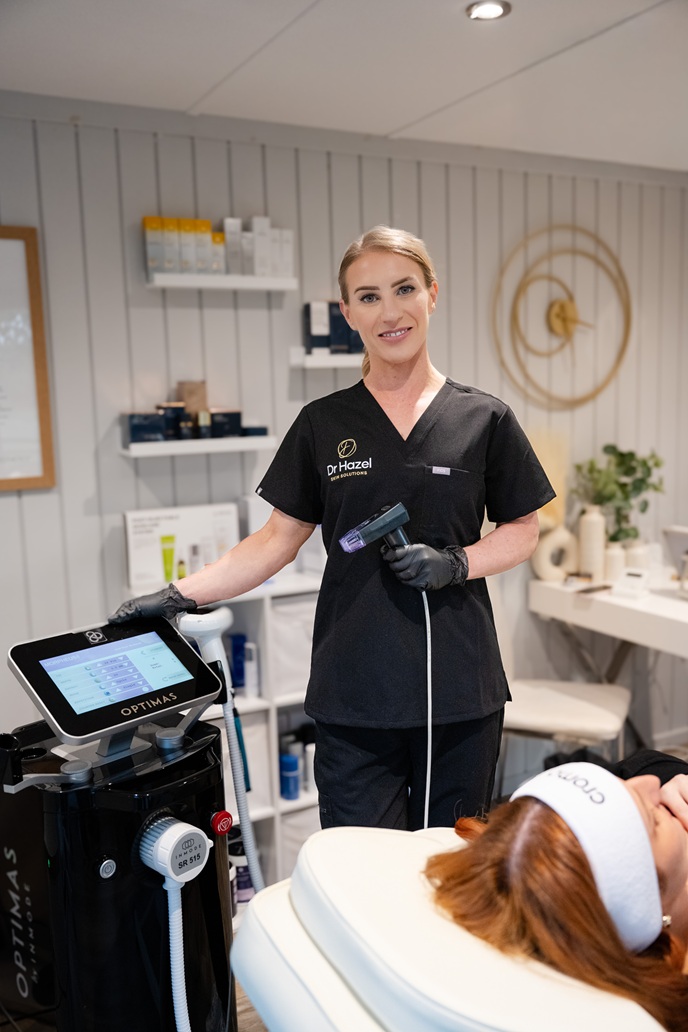
What Dr Hazel Treats
Skin conditions
- Acne, including adult and hormonal acne
- Acne scarring
- Rosacea
- Eczema and dermatitis
- Psoriasis
- Lichen planus
- Urticaria, meaning hives
- Excessive sweating (hyperhidrosis)
- Pigmentation, melasma and sun damage
- Hair thinning and unwanted facial hair
- Dry, itchy or irritated skin, including skin changes in perimenopause
Moles and skin lesions
- Mole checks using dermoscopy, including a full skin examination where needed
- Assessment of any lesion you are worried about
- Specialist dermatologist review of dermoscopic images through Map My Mole
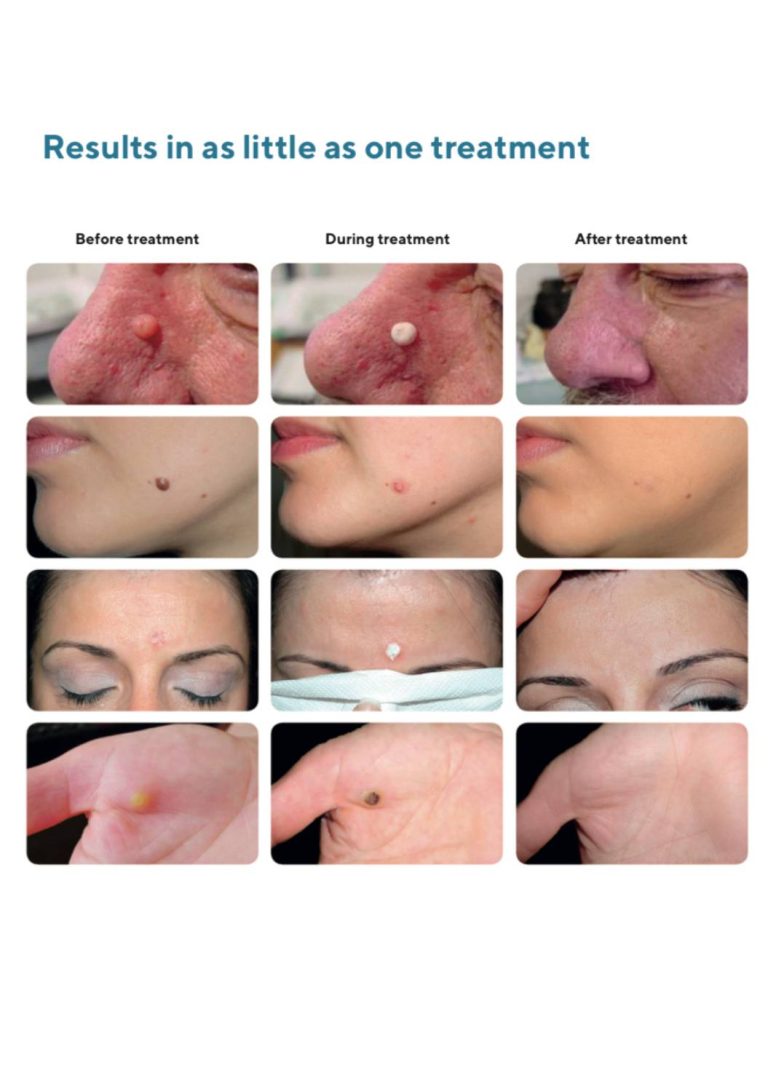
- Removal of benign lesions with CryoPen, including skin tags and seborrhoeic keratoses
- Cosmetic removal of moles, only once a written report has confirmed the lesion is benign
- Treatment of warts and verrucas
- Treatment of certain premalignant lesions, including actinic keratoses and Bowen’s disease, where the diagnosis is clear
Mole Checks & Map My Mole
A consultant dermatologist’s opinion on your mole, in writing, within days
Dr Hazel now offers Map My Mole at the clinic.
A mole check here starts the way it always has. Dr Hazel takes a full history, asks what has changed and over what period, and examines the lesion with a medical-grade dermatoscope, which magnifies and illuminates the skin and shows features the naked eye cannot see. Where it is useful she examines the rest of your skin as well, because the mole you noticed is not always the one that matters.
What Map My Mole adds is a second set of expert eyes. High-quality dermoscopic images of any lesion of concern are submitted securely through the service to a UK consultant dermatologist, who reviews them and writes a report.
There are two ways to have this done. A full mole check at £150 includes a full skin examination by Dr Hazel with the dermatoscope, and specialist review of up to two lesions through Map My Mole. If it is one particular mole worrying you and you do not want a full skin check, a single lesion check is £75 per lesion.
If you are not sure which you need, book the full mole check. The mole you noticed is not always the one that matters, and the full examination is where that gets picked up.
The report usually comes back within 72 hours, and it is emailed to you. It sets out whether the lesion has the features of something benign or whether it needs further investigation.
What has to happen before a mole is treated
This is a medically led clinic. What happens to a mole is decided by what is safe rather than by what is quick, and every pigmented lesion goes through the same process.
Assessment always comes first. No mole is frozen or treated without going through the mole check pathway. The lesion is imaged with a digital dermatoscope and those images are reviewed by a practising UK consultant dermatologist.
Removal needs written clearance. Cosmetic removal only goes ahead once there is a written report confirming the lesion is benign. Until that report exists, nothing is treated.
Anything atypical is referred rather than treated. Where the report describes atypical or suspicious features, the lesion is not treated here. You are given the medical documentation needed to fast-track your care through your NHS GP, which comes as part of the Map My Mole report. Where something needs seeing urgently, Dr Hazel will contact your GP the same day as well.
No photograph can replace a biopsy, and that is the reason for these rules rather than an afterthought to them. A lesion that needs removing for medical reasons needs removing in a way that allows it to be examined in a laboratory, and that is a referral rather than a treatment here.
What is not treated
Your safety comes first.
CryoPen is not used on any lesion that is changing, bleeding, or that Dr Hazel thinks needs further investigation. Freezing a lesion destroys it. If it later turned out to be something that mattered, there would be nothing left to send to a laboratory and no way of knowing what it had been.
If there is any concern at all, you will be told what the concern is and why, and the next step will be a referral rather than a treatment.
Where a lesion is confidently benign, such as a skin tag or a seborrhoeic keratosis, and you would like it removed for cosmetic or practical reasons, that can usually be done here with CryoPen.
What Happens at Your Consultation
What to expect
Before your appointment
You will be asked about your symptoms, how long they have been going on, what you have already tried, and your medical history. If you have photographs of a rash or a flare that has since settled, bring them. Skin rarely behaves on the day of the appointment.
Your first consultation
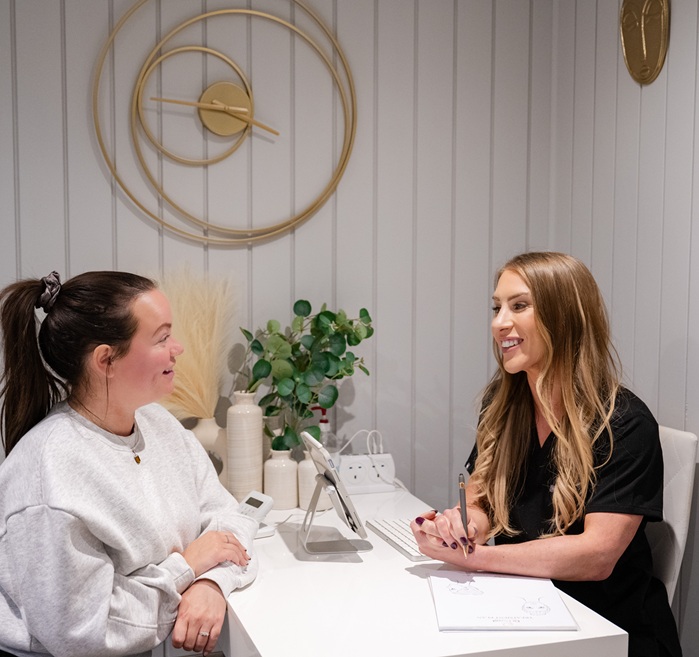
Up to forty-five minutes, in person at the clinic in Long Itchington. First appointments are always in person, because skin has to be examined properly rather than assessed through a screen. Dr Hazel will examine the areas concerned, use a dermatoscope where appropriate, explain what she thinks is going on, and go through the options.
Some conditions are treated on the day. Some need a prescription. Some need a period of treatment and then a review to see how the skin has responded. You will leave knowing which applies to you and what happens next.
Follow-up
Follow-up appointments are up to thirty minutes and can be in person or by video, whichever suits you. Skin conditions usually need adjusting rather than fixing in one go, and the review is where that happens.
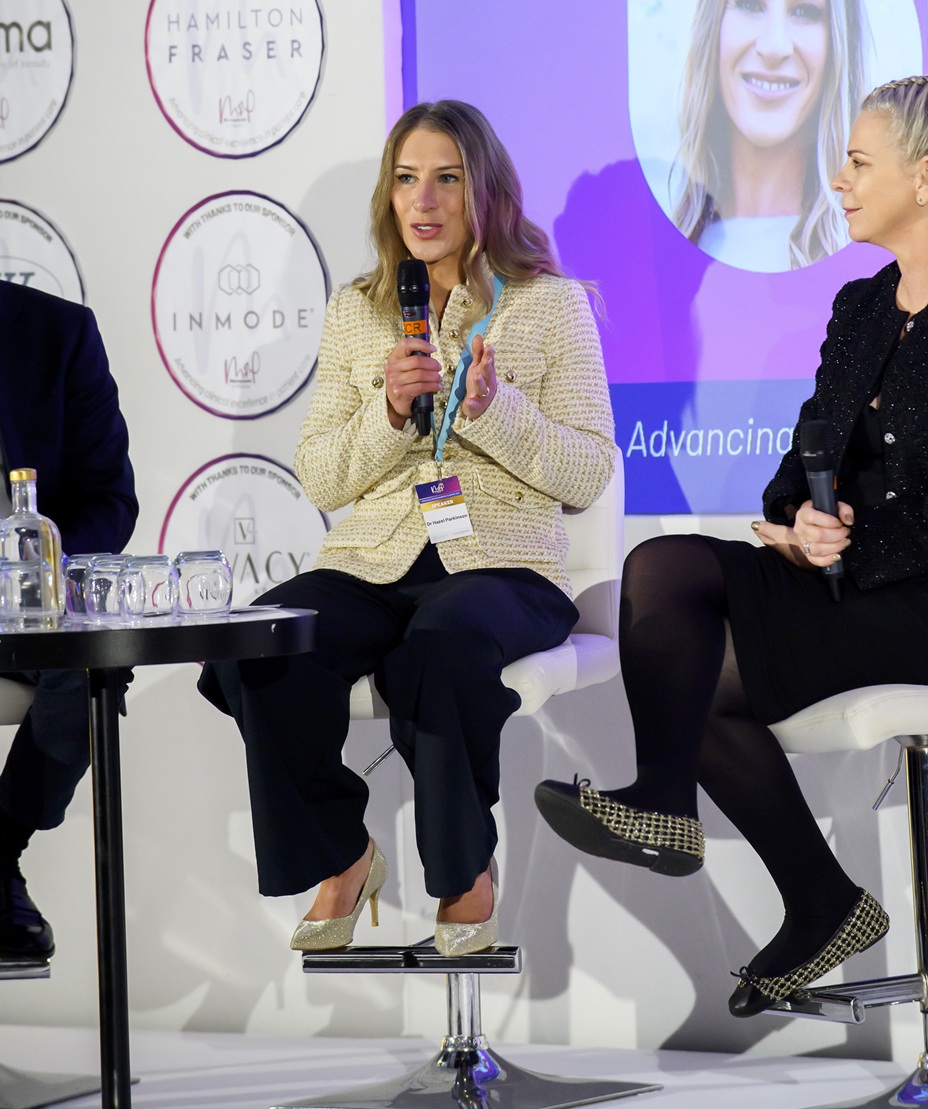
Why Patients Choose Dr Hazel
Formally qualified in dermatology. A Postgraduate Diploma in Clinical Dermatology from Queen Mary University of London, studied at the Blizard Institute for Skin Research and passed with distinction.
NHS dermatology experience. Dr Hazel has worked as a community dermatologist, seeing the full range of skin disease rather than only cosmetic concerns.
Skin and hormones together. Dr Hazel also runs a menopause and women’s health service. Acne that arrived in your late thirties, hair thinning, unwanted facial hair and skin that changed with perimenopause can be looked at as one problem rather than two, by the same doctor, in the same appointment.
Time to look properly. Up to forty-five minutes for a first appointment, and the time is there if it is needed. Skin conditions are frequently dismissed in ten minutes, and it is often the history rather than the rash that gives the answer.
From age 5. Children’s skin conditions are seen here too, which is unusual in private dermatology outside the major cities.
Fees
-
Initial consultation, up to 45 minutes, in person£175
-
Follow-up consultation, up to 30 minutes, in person or by video£125
-
Mole check, including a full skin examination with a dermatoscopeDr Hazel examines your skin and your moles with a dermatoscope, and can include specialist review of up to two lesions through Map My Mole.£150
-
Map My Mole single lesion checkA focused appointment for one mole you are worried about. Dr Hazel examines it with a dermatoscope, dermoscopic images are submitted to a UK consultant dermatologist, and the written report is emailed to you, usually within 72 hours. It does not include a full skin examination.£75 per lesion
-
Assessment of a skin lesion that is not a moleSkin tags, warts, verrucas and similar benign lesions are assessed free of charge. You pay only if you go ahead with removal.no charge
-
CryoPen removal of a benign lesion, under 1cm£75
-
CryoPen removal of a benign lesion, over 1cm£100
-
Each additional lesion at the same appointment£35
-
Warts and verrucas, course of three treatmentsIncludes your initial consultation.£295
Consultations include a prescription where one is needed, and a letter to your GP with your consent.
Get in Touch
We are always on hand to answer any questions you may have about our treatments.
Book a Consultation
First appointments are at the clinic in Long Itchington, Warwickshire, five minutes from Southam, fifteen from Leamington and Warwick, twenty from Rugby and twenty-five from Coventry.
If you are not sure whether your concern is dermatological or aesthetic, book a dermatology consultation. It is easier to sort it out in the room than on a booking page.
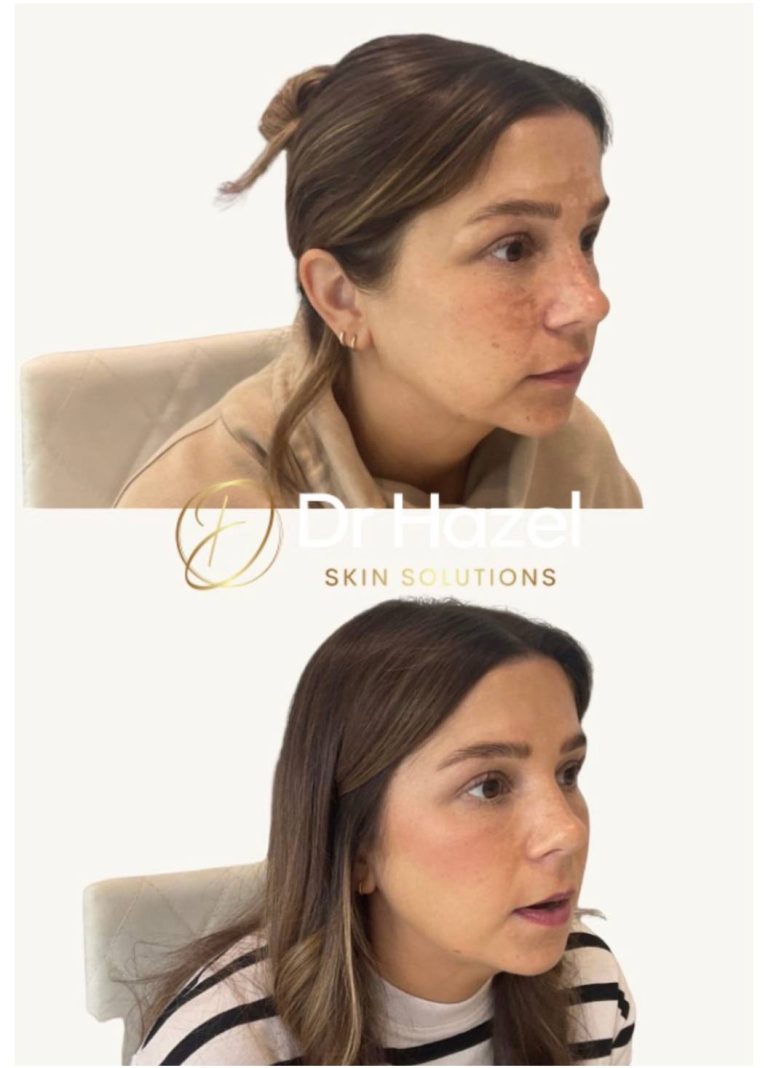
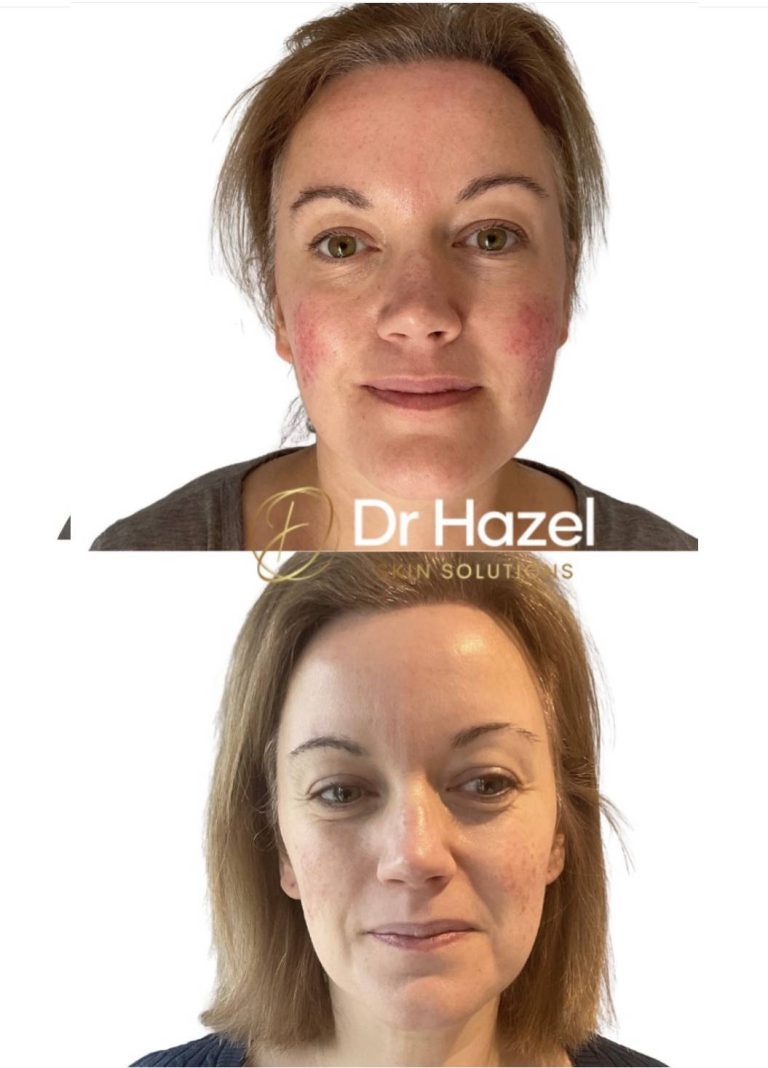
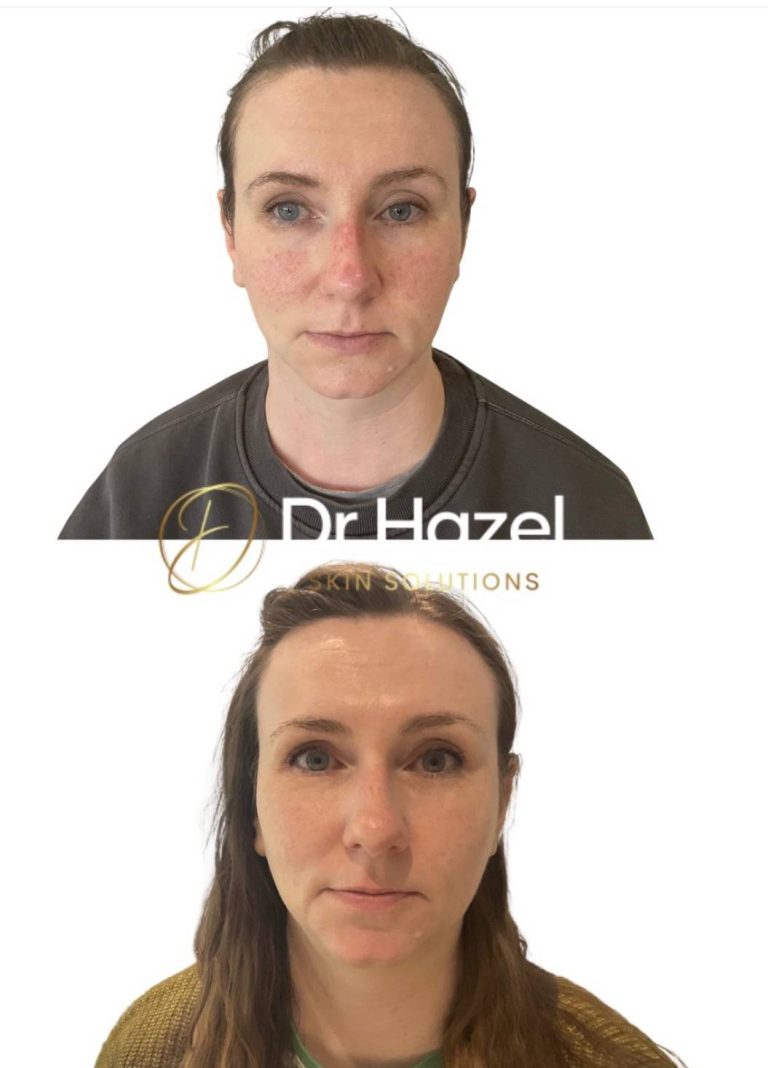
Frequently Asked Questions
How is this different from an aesthetic appointment?
An aesthetic appointment is about how your skin looks. A dermatology appointment is about something being medically wrong with it.
In practice the two overlap more than people expect, and one of the advantages of coming here is that you do not have to work out in advance which one you need. If a skin concern turns out to have a medical cause, it is dealt with as a medical problem. If it turns out to be something aesthetic, that can be discussed too. You are not going to be sent away to book the other kind of appointment.
Do you see children?
Yes, from age 5. Childhood eczema is one of the commonest reasons families come, and a longer appointment tends to make a great deal of difference when a child has been struggling with it for a while.
I am worried about a mole. What happens?
Dr Hazel will examine it with a dermatoscope, which magnifies and illuminates the skin and shows features that are invisible to the naked eye. Where it is helpful she will examine the rest of your skin as well, because the mole you noticed is not always the one that matters.
Most moles turn out to be entirely normal, and being told that by someone who has actually looked properly is worth having.
Where a lesion needs a further opinion, dermoscopic images of it are submitted through Map My Mole and reviewed by a UK consultant dermatologist. The written report is emailed to you, usually within 72 hours. A full mole check includes up to two lesions reviewed this way, and there is a single lesion check at £75 per lesion if it is one mole in particular that is worrying you.
If anything needs removing or further investigation, you are given the specialist report and the documentation Map My Mole provides for your GP, so that a referral can be made quickly. If it needs seeing urgently on the two week cancer pathway, Dr Hazel will contact your GP the same day as well.
Do you remove moles?
Only once it has been confirmed in writing that the mole is benign, and never on the day it is first assessed.
Every mole goes through the mole check pathway first. It is imaged with a dermatoscope, the images are reviewed by a UK consultant dermatologist, and only when the report confirms the lesion is benign can removal for cosmetic reasons be arranged.
If the report describes anything atypical or suspicious, the mole is not treated here at all. It needs removing in a way that allows it to be examined in a laboratory, so you are given the documentation to take to your GP and it is dealt with on the NHS.
Benign lesions that are not moles, such as skin tags and seborrhoeic keratoses, are more straightforward and can be removed in clinic with CryoPen in the usual way.
Is this the same as mole mapping?
No, and the difference is worth knowing before you book.
Mole mapping normally means full body photography. Your whole skin surface is photographed and the images are stored so that a new set can be compared against them months or years later. It is designed for people with very large numbers of moles or a high risk of melanoma, and its value lies in that comparison over time.
What is offered here is assessment. Dr Hazel examines your skin and your moles, and where a lesion needs a further opinion its dermoscopic images are reviewed by a consultant dermatologist. If full body mole mapping is genuinely what you need, she will say so and tell you where to go for it.
Can you prescribe for acne?
Yes. Dr Hazel prescribes the full range of topical treatments, oral antibiotic courses, and hormonal treatments where those are appropriate, and will explain the reasoning rather than simply handing over a prescription.
One exception. Isotretinoin, the strongest oral acne treatment, is not prescribed at this clinic. Under current MHRA rules it can only be started under the supervision of a consultant dermatologist. If your acne reaches the point where isotretinoin is the right answer, Dr Hazel will tell you so and arrange a referral to someone who can prescribe it, either on the NHS or privately.
Will you write to my GP?
With your consent, yes, and it is included in your consultation fee. It keeps your NHS record accurate, which matters particularly if you are prescribed something that needs monitoring.
Do I need a referral?
No. You can book directly. If you have had previous treatment, or results of any tests or biopsies, bring them with you.
My skin got worse when I hit my forties. Is that connected to my hormones?
Very often, yes. Falling oestrogen affects skin thickness, oil production, hydration and healing, and it is a common reason for acne appearing in adulthood, for skin becoming suddenly dry and thin, for hair thinning and for unwanted facial hair.
This is one of the areas where being able to assess both the skin and the hormones in the same appointment genuinely changes the answer.